The real estate market in Wrocław—from atmospheric tenement houses in Nadodrze to modern apartment buildings in Krzyki and Fabryczna—has its own rules. A potential buyer's first contact with your offer lasts just a fraction of a second. It is at this very moment, while browsing portals such as Otodom or OLX, that the decision is made: click and schedule a viewing, or scroll past. Unfortunately, even the most attractive apartment will lose value if its photos are full of basic technical mistakes.
At Grafoto, our team has specialized in professional real estate photography and virtual tour creation in Wrocław and Lower Silesia for years. In this article, we analyze the most common mistakes in interior photography that effectively scare away investors and buyers, lowering the final transaction price.
1. Poor Color Temperature and the Problem of Mixed Lighting
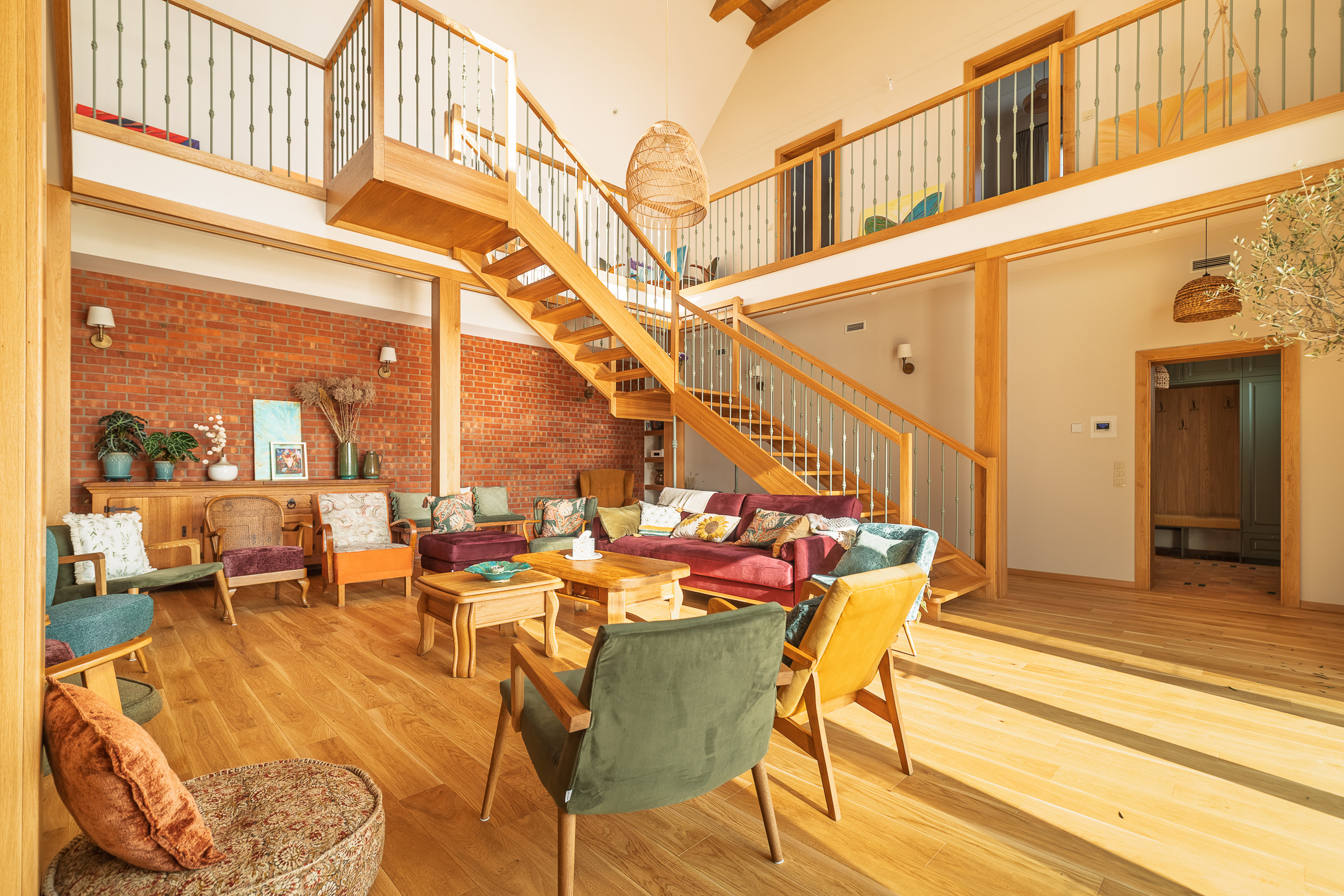
One of the most serious sins of amateur photos is ignoring white balance. Turned-on yellow light bulbs combined with cold, blue light coming through the window create an unnatural, splotchy color mosaic in the frame. Rooms look gloomy, dirty, or artificial.
Professional interior photography utilizes multiple exposure techniques (HDR) or precise flash lighting with a color temperature close to daylight (approx. 5500K). As a result, the colors of walls, wooden floors, or furniture reflect reality, and the view outside the window is not a blown-out white or red spot.
2. "Collapsing" Walls and Distorted Vertical Lines
Photos taken with a smartphone from eye level or at an angle cause the vertical edges of walls and furniture to converge inward or outward. The result? The interior looks as if it is about to collapse, and the ceiling feels lowered.
Maintaining perfect vertical lines is the absolute fundamental of architectural photography. Using a tripod, tilt-shift lenses, or precise geometry correction in post-production allows for a natural and stable perspective. This is particularly important in high-ceilinged Wrocław tenement houses, where preserving the scale of space creates a sense of luxury.
3. Excessive Lens Distortion (The "Fisheye" Effect)
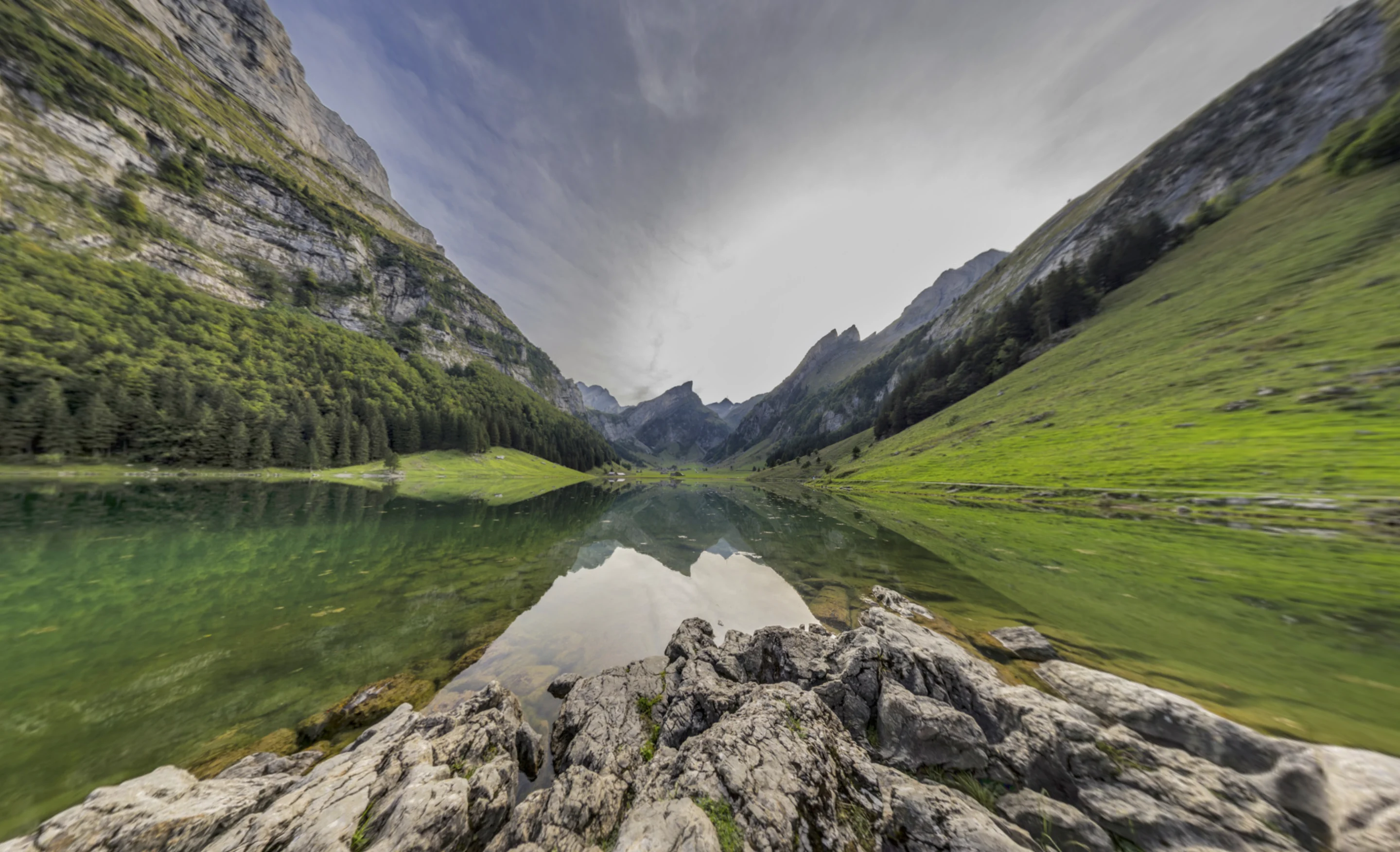
The desire to show an entire room in a single photo often leads sellers to use overly wide lenses or phone attachments. The results are curved walls, unnaturally elongated furniture, and elliptical shapes at the edges of the frame.
Buyers quickly sense "spatial deception." When they arrive at the property and realize that the gigantic living room in the photo is actually just 14 m², disappointment and distrust toward the seller arise. A professional photographer selects a focal length (usually in the 16–24 mm range on a full-frame sensor) that showcases a large portion of the room without artificially distorting reality.
4. Visual Clutter and Lack of Space Preparation (Home Staging)
Personal items left out in the open, cables under the desk, a drying rack in the living room, or open toilet lids—these are small details that drastically lower the perceived value of the property. Photos full of chaos distract from the potential of the place.
Before taking photos, decluttering (depersonalization) of the rooms is essential. Buyers must be able to imagine their own life in the space, rather than tracking the history of its current occupants.
Checklist: How to Avoid Mistakes in Real Estate Photography?
Here is a list of key rules to implement before publishing an ad:
- Keep it tidy: Hide personal keepsakes, toiletries, pet bowls, and cables.
- Balance the light: Ensure a consistent color temperature or trust a professional's editing.
- Keep the camera straight: The lens should be at a height of about 120–140 cm, maintaining perfect vertical lines.
- Uncover the windows: Raise the blinds and open the curtains to let in as much natural light as possible.
- Enhance the shoot with modern media: Add a 3D Matterport virtual tour and a short drone video showing the neighborhood (e.g., proximity to the Oder River or Południowy Park in Wrocław).
5. Flat Presentation – Lack of Aerial Shots and 3D Perspective
Today's buyer expects a complete picture of the investment. Limiting yourself to a few narrow shots from inside the apartment is a common mistake when selling houses, land plots, or apartments with terraces. A lack of drone shots makes it impossible to showcase location highlights—such as proximity to transit hubs, recreational areas, or the surrounding neighborhood.
Furthermore, without a 3D virtual tour, viewers cannot connect the layout of the rooms. Combining photography, video, and 3D scanning creates a comprehensive sales funnel, eliminating casual viewers and attracting only serious clients.
Why Entrust the Shoot to Grafoto Experts in Wrocław?
Avoiding all these mistakes requires not only the right equipment (tripods, wide-angle lenses, certified drones, 3D scanners), but above all, experience and a sense of aesthetics. At Grafoto, we combine architectural photography with modern visual marketing. We operate in Wrocław, Oława, Trzebnica, Siechnice, and throughout Lower Silesia, helping real estate agencies and private owners sell faster and for a higher price.
FAQ
Why do phone photos of real estate often look worse than a professional's?
Smartphones have small sensors with a limited dynamic range. As a result, windows become overexposed while room corners remain dark. Additionally, phone cameras automatically distort edges at wide angles and mix colors from different light sources.
Do I need to completely empty the apartment before the photo shoot?
No, furniture and stylish accessories help define the scale and function of the rooms. However, decluttering (depersonalization) is important—removing personal photos, documents, toys, or laundry.
What time of day is best for photographing interiors in Wrocław?
It depends on the property's window orientation. Apartments facing east are best photographed in the morning, while those facing west are best shot in the afternoon. The key is to avoid harsh, direct sunlight that creates hard shadows.
How long does a professional apartment photo shoot with a virtual tour take?
A standard photo shoot along with scanning a 3D virtual tour for an apartment measuring 50–70 m² usually takes between 1.5 and 2.5 hours.