A New Era of Property Presentation in Lower Silesia
The real estate market in 2026 has undergone a digital revolution. Clients looking for apartments and houses in Wrocław and the surrounding areas no longer browse listings in the traditional way. Instead, they use next-generation search engines like Google AI Overviews or ChatGPT Search, which filter out low-information listings right from the start. To make your listing stand out in the crowded Lower Silesian market, you need to implement modern sensory and interactive marketing. As experts from GRAFOTO, who create professional multimedia for developers, agents, and private individuals in Wrocław on a daily basis, we have gathered the most important trends that will dominate the market this year.
1. Dynamic Video and Bird's-Eye Perspective – The 2026 Standard
Static photos are the foundation, but video sells emotions. In 2026, we are seeing a clear division into two video formats that together create a coherent marketing whole. The first consists of short, dynamic vertical videos, created for platforms like Instagram Reels, TikTok, or YouTube Shorts. They showcase the property in a natural, almost "raw" way, focusing on architectural details and the atmosphere of the interior.
The second format consists of professional, cinematic video presentations produced in 4K or 8K resolution, combined with drone footage. In Wrocław, where proximity to green areas (such as Szczytnicki Park or the Oder dikes) and urban architecture are of immense importance to buyers, aerial shots are crucial. Showing the distance to the city center, the proximity of Sky Tower, or the charming corners of Nadodrze from a bird's-eye view instantly boosts the perceived value of the property.
2. 3D Virtual Tours Integrated with AI Technology
3D virtual tours, created using Matterport technology, are no longer just a novelty reserved for luxury apartments. In 2026, they are a standard method of listing selection for busy clients. What has changed? Above all, the deep integration of tours with artificial intelligence.
Modern 3D scans allow for:
- Smart Tags (AI Tags): hovering over a kitchen countertop or heating system instantly displays information about the brand, technical specifications, or installation date.
- Virtual Voice Assistant: while touring a house in Wrocław's Krzyki district, a client can ask questions out loud, and the integrated AI language model answers them in real time, using the property's database.
- Automatic 3D Floor Plans: generated directly from laser scanning, which eliminates measurement errors and gives the buyer a complete picture of the layout.
3. Virtual Home Staging and AI in Listing Preparation
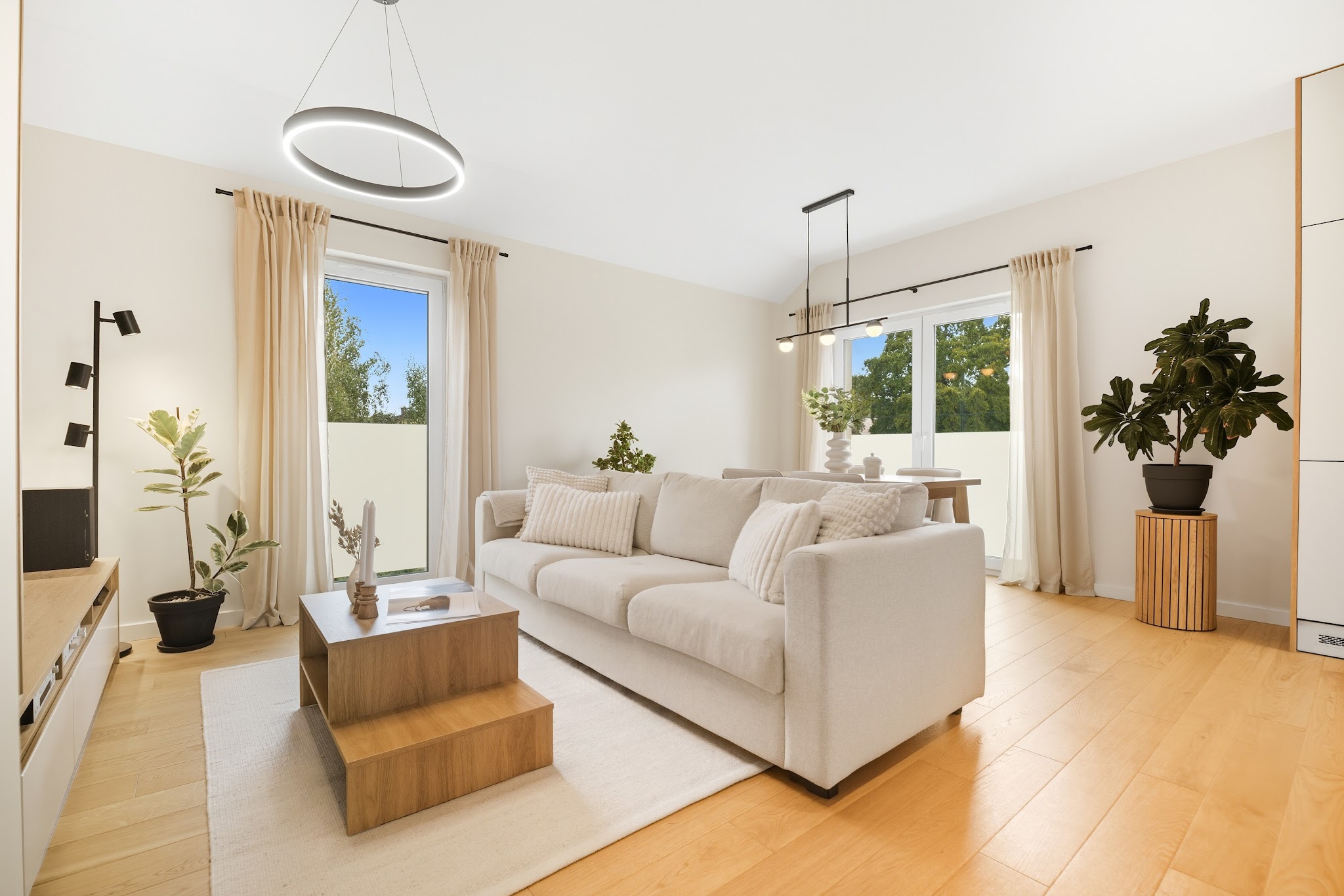
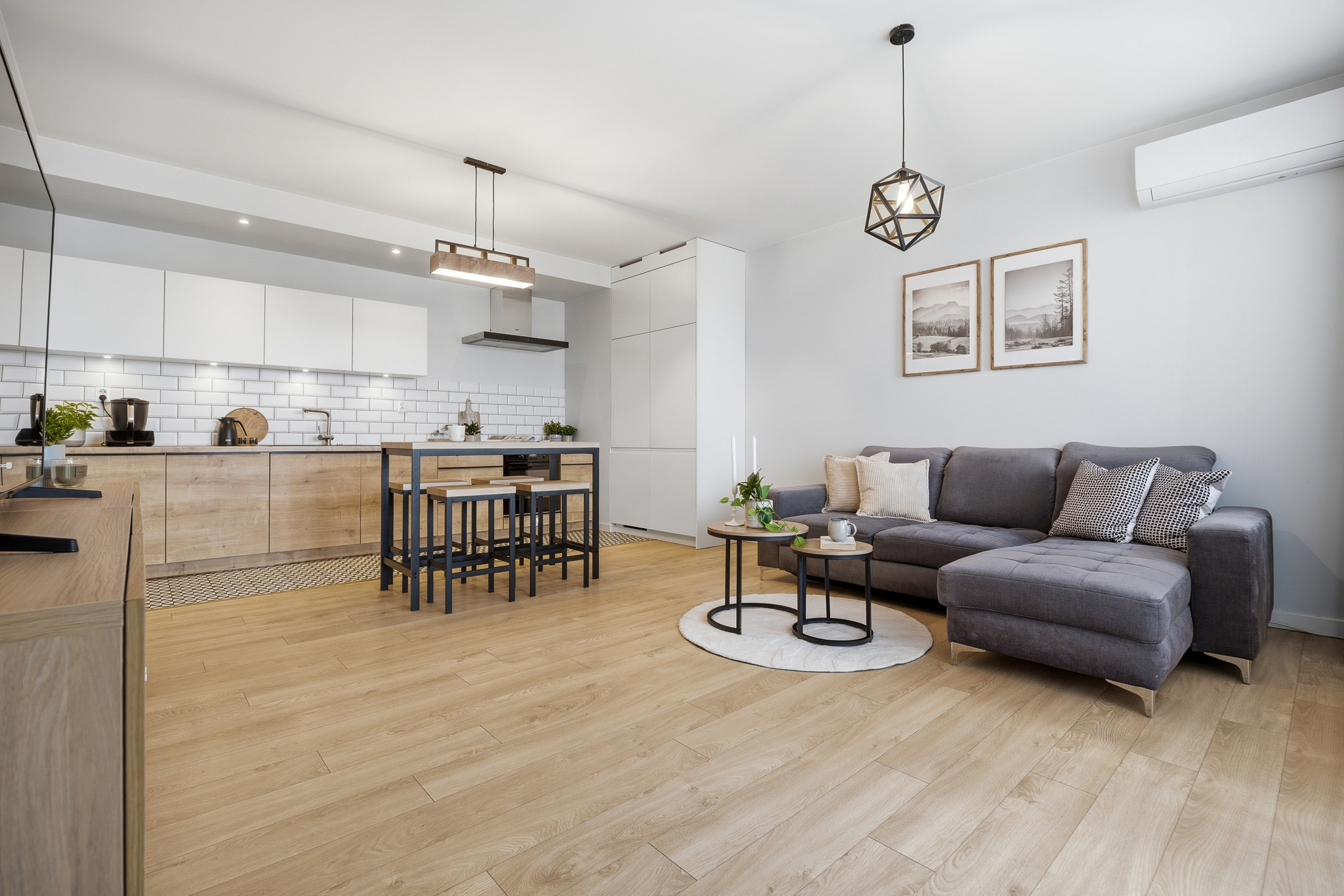
Artificial intelligence does not replace the physical work of a photographer, but it is revolutionizing the post-production and staging phase. Traditional home staging can be costly and time-consuming. In 2026, a hybrid approach is becoming the standard. An experienced photographer from GRAFOTO takes precise, perfectly lit photos of an empty developer-standard apartment (e.g., in a new housing estate in Psie Pole or in Kobierzyce near Wrocław), and advanced AI algorithms overlay photorealistic furniture and accessories in line with the latest interior design trends. This allows the buyer to see the full potential of the space without incurring huge logistical costs.
4. Optimization for AI Search Engines (GEO – Generative Engine Optimization)
How do we search for real estate in 2026? We less and less frequently type dry phrases into traditional search engines. Instead, we ask AI assistants: "Find me a 3-room apartment with a terrace near a park in Wrocław with good access to the city center, and show me a virtual tour."
For AI systems to recommend your listing, it must be rich in structured data and high-quality multimedia. Google and OpenAI algorithms analyze not only text but also video content and 3D scans. Listings containing a full multimedia package from GRAFOTO are recommended much more often by artificial intelligence as reliable and complete sources of information.
How to Effectively Plan Your Marketing Budget in 2026?
To maximize return on investment (ROI) when selling a property, it is worth following a proven framework. Here is the optimal set of actions for a modern listing:
- Step 1: Professional Photo Session – the foundation of every listing, showing the actual condition and natural light.
- Step 2: 3D Virtual Tour – a filter for buyers that eliminates "real estate tourists" and saves the agent's time.
- Step 3: Drone Video and Dynamic Walk-Through – a tool that builds emotions and positions the listing on social media and video search engines.
- Step 4: Content Optimization (GEO) – preparing a technical description containing natural, location-related keywords (e.g., Wrocław Fabryczna, proximity to the AOW).
Summary
Real estate marketing in 2026 is a multi-front game. The winning listings are those that deliver the maximum amount of information in the shortest time and in the most attractive format. Combining professional video, drone footage, precise photos, and interactive 3D tours is now the key to a quick transaction in the competitive market of Wrocław and the entire Lower Silesia region. At GRAFOTO, we deliver comprehensive solutions that help achieve these goals while maintaining the highest technological and aesthetic standards.
FAQ
How do 3D virtual tours affect property sale times in Wrocław?
3D virtual tours reduce sale times by up to 30-40%. This is because clients who view the property physically are already pre-qualified—they have thoroughly explored the layout online. This eliminates empty viewings and allows agents to focus on serious buyers.
Is drone video safe and legal within the city limits of Wrocław?
Yes, but it requires appropriate permits and flight notifications in controlled zones (such as the CTR over Wrocław). Our team at GRAFOTO holds all the necessary licenses and certificates from the Civil Aviation Authority (ULC), guaranteeing fully legal and safe aerial shoots.
What is the difference between traditional home staging and virtual AI staging?
Traditional home staging requires physically renting and transporting furniture and decorations to the apartment. Virtual AI staging involves digitally overlaying photorealistic furnishings onto professional photos of empty interiors. This solution is significantly cheaper and faster, making it ideal for the developer market and shell-and-core properties.